Destinations · Southwest China
Yunnan Highlands
Old towns, tea mountains, lakes, and highland routes make Yunnan ideal for slower scenic travel.

Yunnan in southwest China contains very different landscapes, from Kunming and Dali to Lijiang, Shangri-La, and more remote mountain areas. It is a province-wide theme rather than one attraction.
Lakes, old towns, and routes into the mountains
Trade routes, migration, and the lives of many communities shaped the region. The Tea Horse Road was a network of exchanges rather than one preserved street. Old-town architecture and highland landscapes have different local histories, so it is better to learn the setting of each place than to describe Yunnan as one uniform “ethnic” experience.

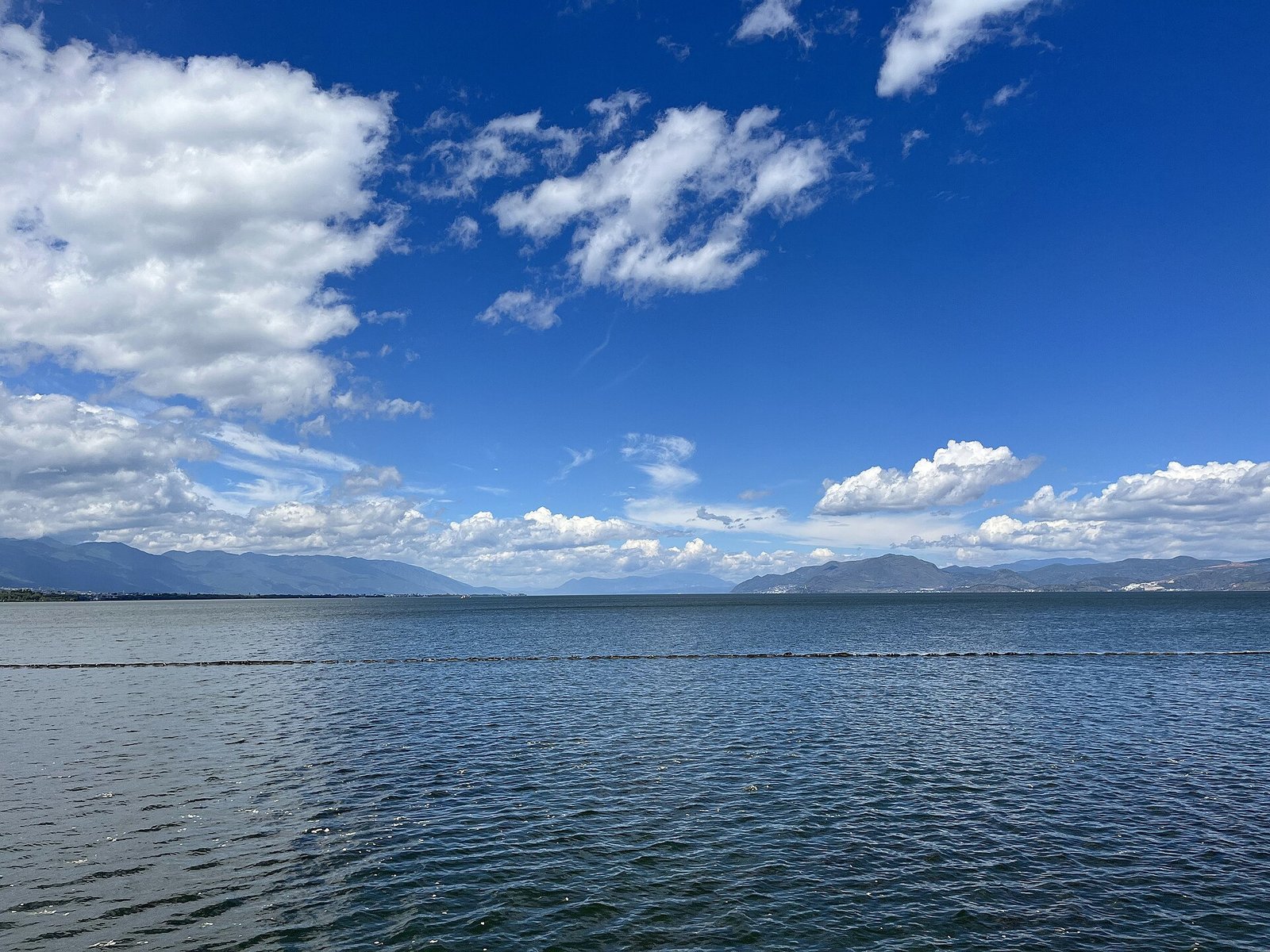
A first route can link Kunming, Dali, and Lijiang, adding village visits or lakeside time rather than collecting towns at speed. Cangshan and Erhai offer a different setting from Lijiang’s canals. Shangri-La introduces another elevation and cultural context and needs additional time.
Do not infer a community’s history from a generalized “ethnic” label on a souvenir. A museum label, local guide, or maker’s explanation can identify the particular people, place, and purpose. A small well-explained encounter is more informative than an anonymous costume photograph.
Build a journey around fewer bases
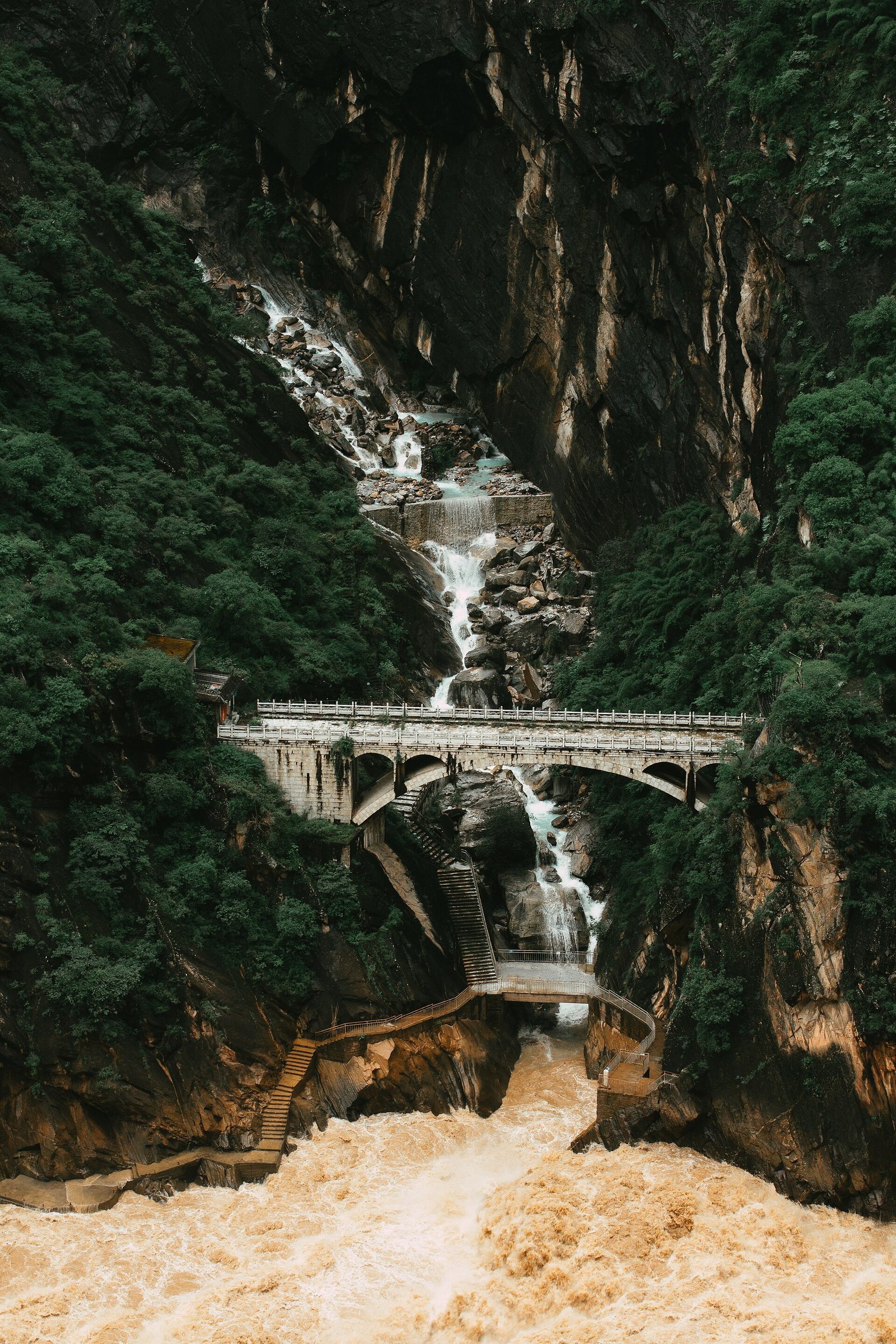
Dali, Lijiang, the gorge area, and higher-elevation destinations cannot all be treated as nearby neighborhoods. Road travel and altitude can alter a route considerably. Choose bases around the places you most want to understand, then give transfers enough time. A short itinerary benefits from fewer changes of accommodation, especially when you want rural visits rather than only old-town streets. Verify transport and local access rather than estimating from an attractive map.
Allow travel days, understand elevation changes, and confirm seasonal mountain access. Choose community visits respectfully: people’s homes and religious practices are not performances arranged for visitors. Regional noodles, mushrooms, and local cooking vary widely; eat through the places you visit rather than expecting one standard Yunnan menu.
Learn about the particular community you visit
Yunnan includes many ethnic communities with different languages, histories, and practices. Ask about a particular village or institution rather than expecting a province-wide costume or custom. Public museums, authorized cultural visits, and local guides can provide context. Respect private homes and sacred places, and distinguish a tourist performance from an ordinary community occasion.