Food · Beijing, Tianjin, Hebei & Shanxi
North China Food
Start with jiaozi: northern dumplings reveal the pleasures of wheat wrappers, seasonal fillings, family tables, and a well-chosen dipping sauce.
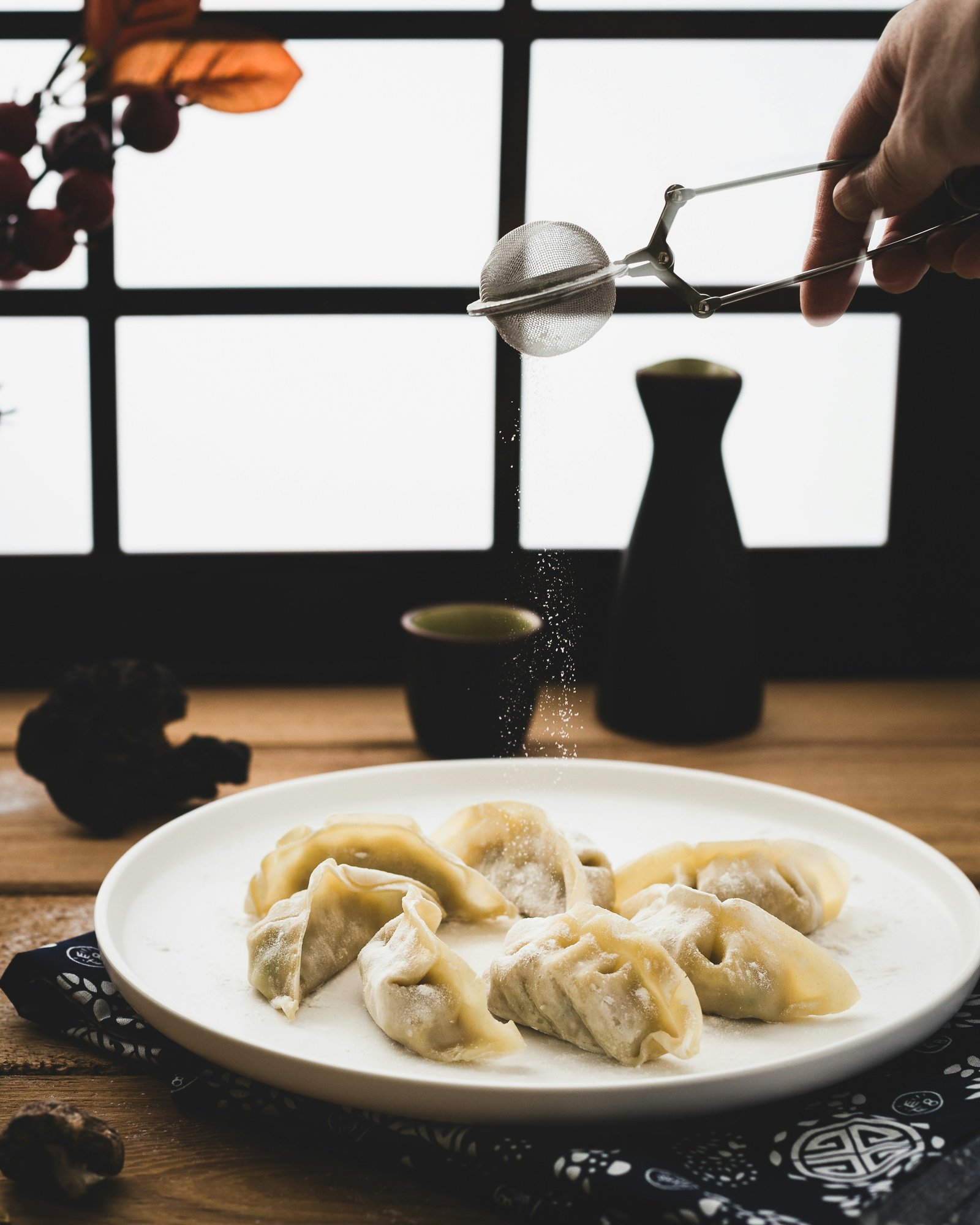
A plate of jiaozi is one of the most approachable ways into northern Chinese food. The crescent-shaped parcels may look similar from one restaurant to another, but the wrapper, filling, seasoning, and cooking method can change the entire experience. A boiled cabbage-and-pork dumpling and a crisp-bottomed pan-fried dumpling are related pleasures, not interchangeable dishes.
North China is a travel grouping rather than one of the conventional eight great cuisines. Beijing, Tianjin, Hebei, and Shanxi have distinct kitchens. Dumplings offer a useful starting point across the region without reducing all northern cooking to a single shared menu.
Begin with the filling, not the shape
Pork and cabbage is a familiar combination: the cabbage adds moisture and a little sweetness to the savory meat. Pork and chive has a stronger green aroma, while lamb fillings can bring a fuller flavor. Egg and chive is a common meat-free option, but recipes differ and some apparently vegetable dumplings contain shrimp or other animal ingredients. Ask what is inside before ordering.
A well-made wrapper has enough strength to hold the filling while staying pleasant to bite. The folded rim will usually be thicker than the center. Thinness alone is not a universal measure of quality; the wrapper needs to suit both the filling and the cooking method. Seasonal vegetables and a shop’s preferred dough can make two good plates taste noticeably different.
Water-boiled dumplings and crisp-bottomed guotie
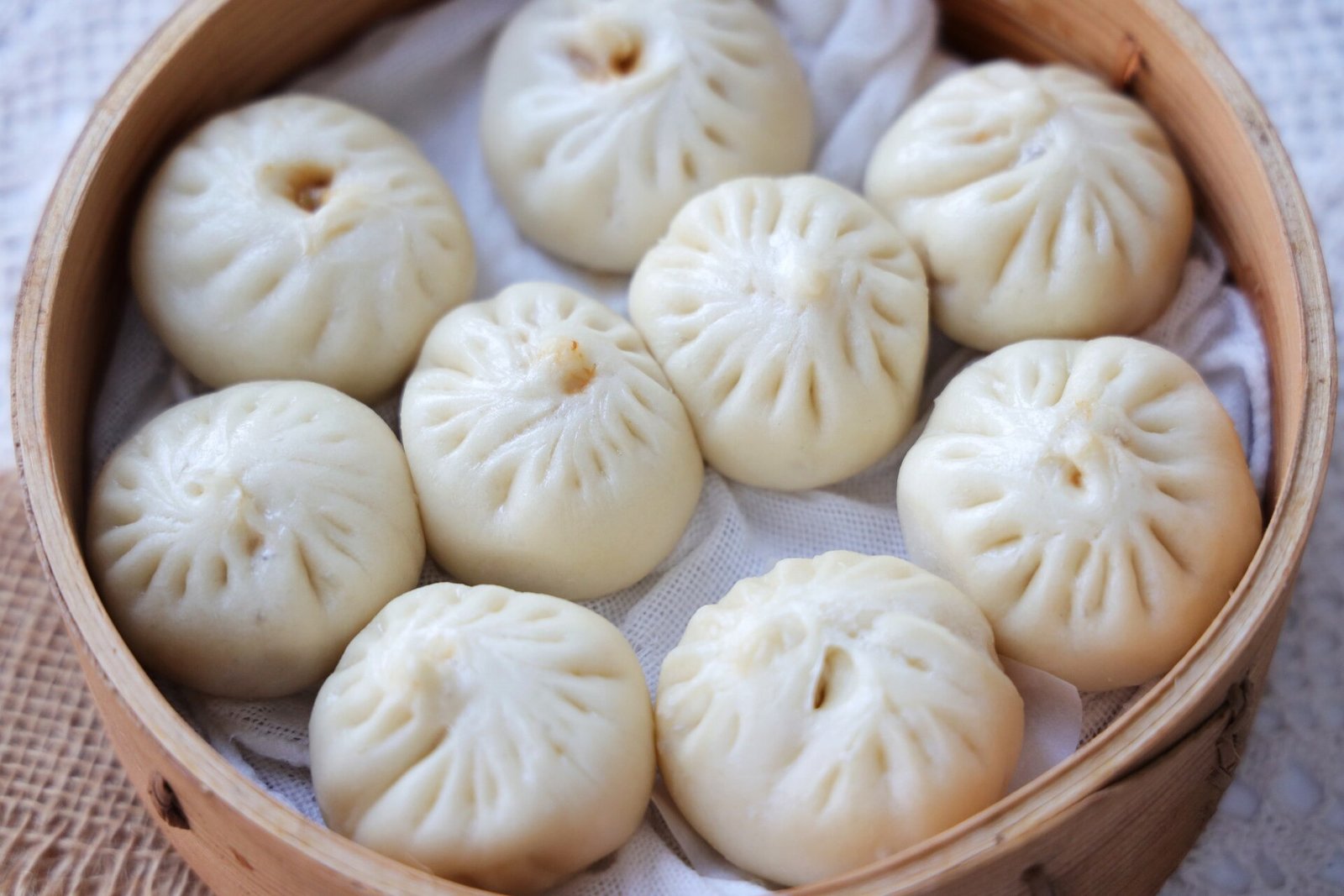
Shuijiao are cooked in boiling water and generally served drained, allowing the wrapper and filling to remain the main attraction. Guotie are pan-fried dumplings: water or stock helps cook them through before the liquid evaporates and the bases turn golden. Steamed dumplings offer another texture. A menu translated simply as dumplings may include more than one of these methods.
For a first meal, order one filling cooked by one method, then add a vegetable dish. With company, compare a boiled version and a pan-fried version instead of ordering several nearly identical plates. Dumpling sizes and serving units vary. Some restaurants list portions, others pieces or a weight-based quantity; confirm how much food the listed order provides.
A little vinegar can be enough
Vinegar is a familiar accompaniment on many northern tables. You might add garlic, chili oil, or a little soy sauce according to the restaurant and your own taste. Start with a small amount: a delicate filling can disappear beneath a very strong dipping mixture. There is no requirement to make every dumpling spicy.
Fresh dumplings can contain very hot juices. Take an unhurried first bite rather than assuming the filling is as cool as the wrapper. On a shared table, place an individual dipping dish beside your own plate. A restaurant may supply the sauce ready-made, or offer condiments for you to mix.
Why dumplings belong to more than a restaurant meal
In many northern families, making dumplings is part of festive gatherings, especially around Spring Festival. One person rolls wrappers while another fills and folds; the finished parcels become a shared meal. Families have their own methods and preferred fillings, and plenty of people buy prepared dumplings instead. The custom is meaningful without being universal.
That social setting helps explain why a simple-looking plate can feel special. When you watch a skilled cook fold a row of evenly shaped jiaozi, you are seeing an everyday craft refined by repetition. A restaurant with a visible preparation area can be interesting even when the decor is modest.
Continue beyond the dumpling plate
Beijing roast duck brings another kind of meal, with carved skin and meat, thin pancakes, scallions, cucumber, and sauce. Tianjin has its own breakfast culture, including local styles of jianbing. Hebei’s cooking varies between cities and countryside, while Shanxi is especially rewarding for travelers curious about flour foods and vinegar.
Noodles remain part of that wider picture, but they are not the only reason to explore the region. Follow a dumpling lunch with a market visit or a different local specialty at dinner. If you visit Shanxi, keep its name distinct from Shaanxi: the neighboring provinces have different food traditions as well as different English spellings.