Destinations · Historic capital & urban life
Nanjing
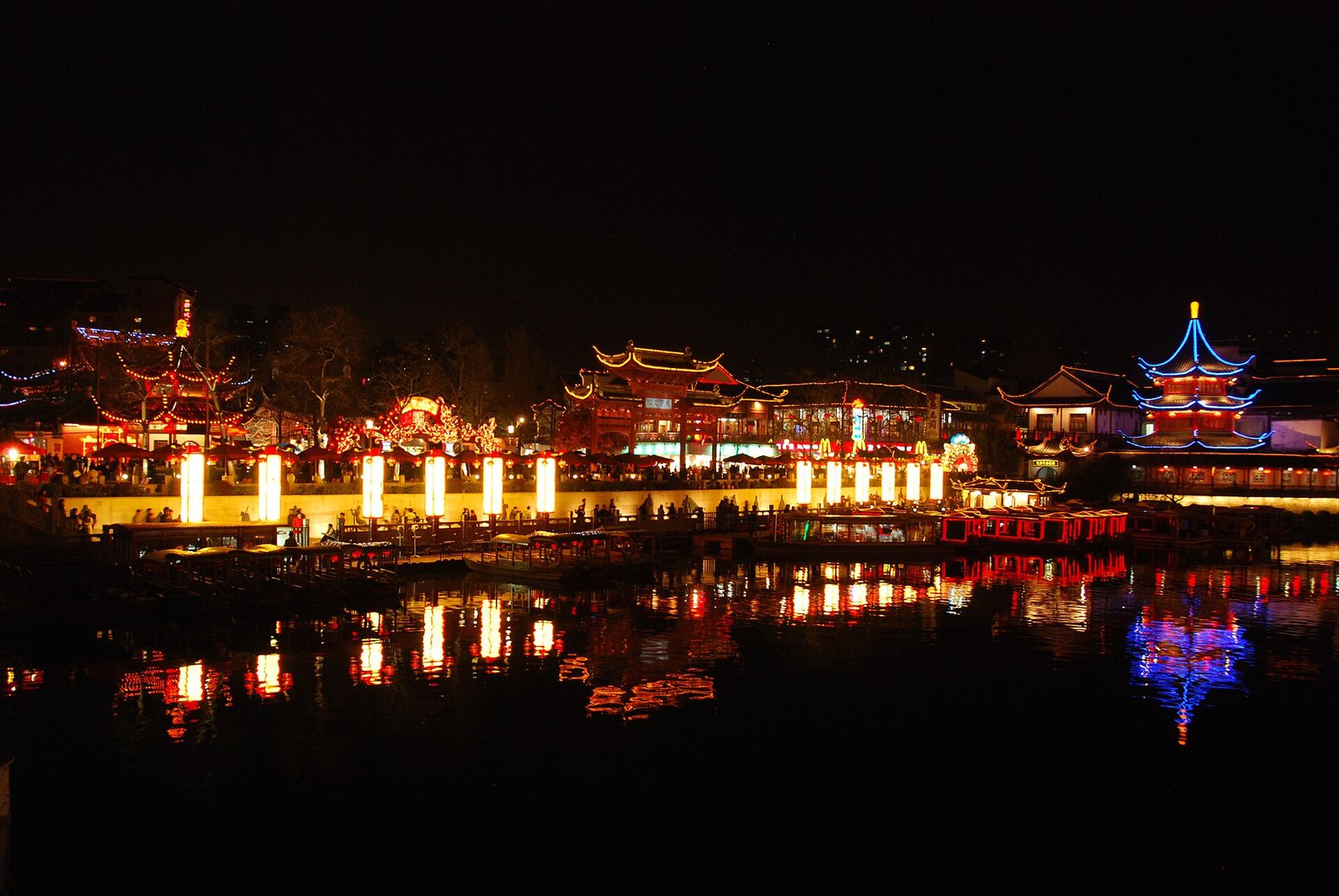
Nanjing brings together Ming city walls, museums, the Qinhuai River, leafy neighborhoods, and modern shopping districts beside the Yangtze.
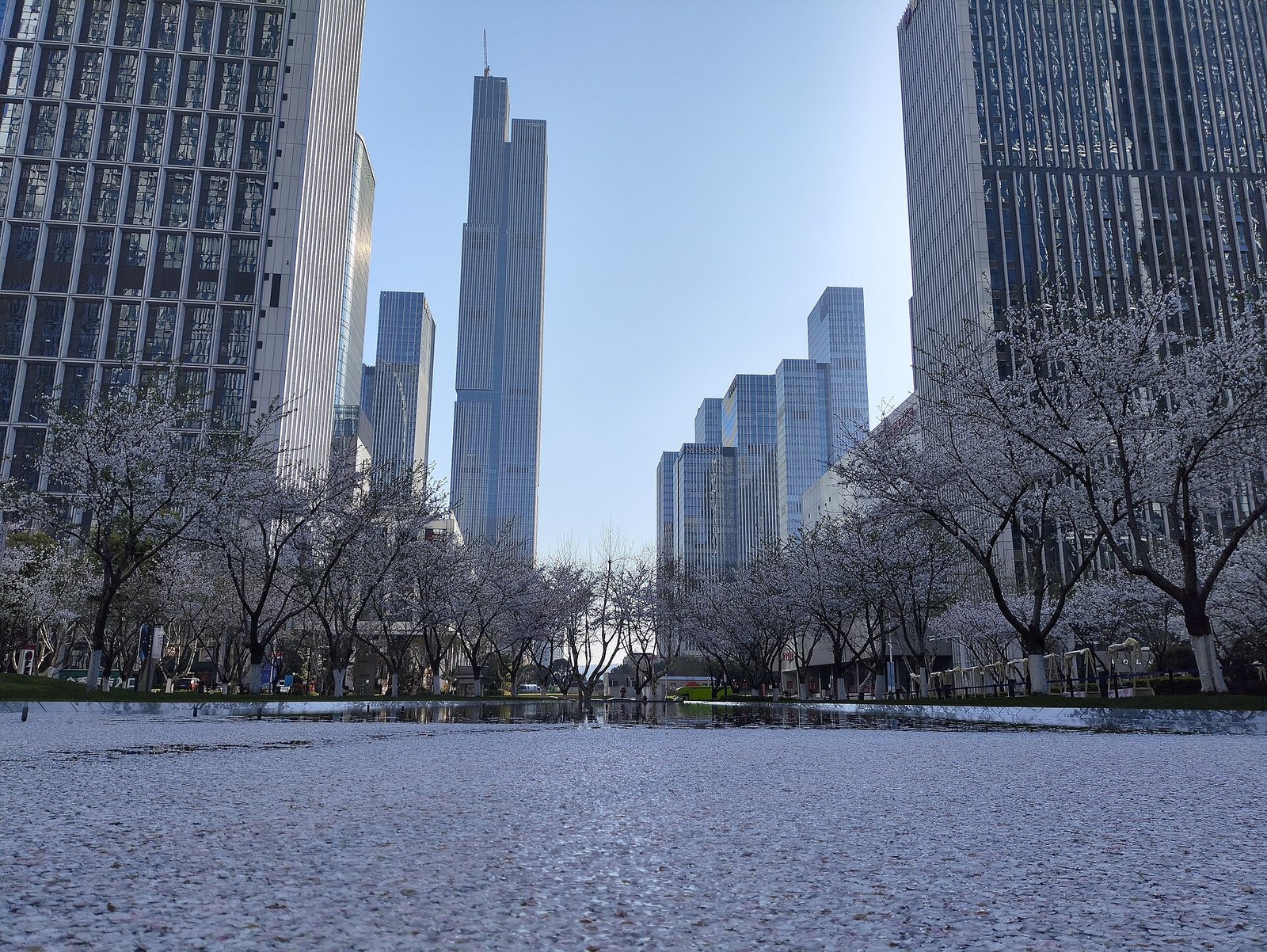
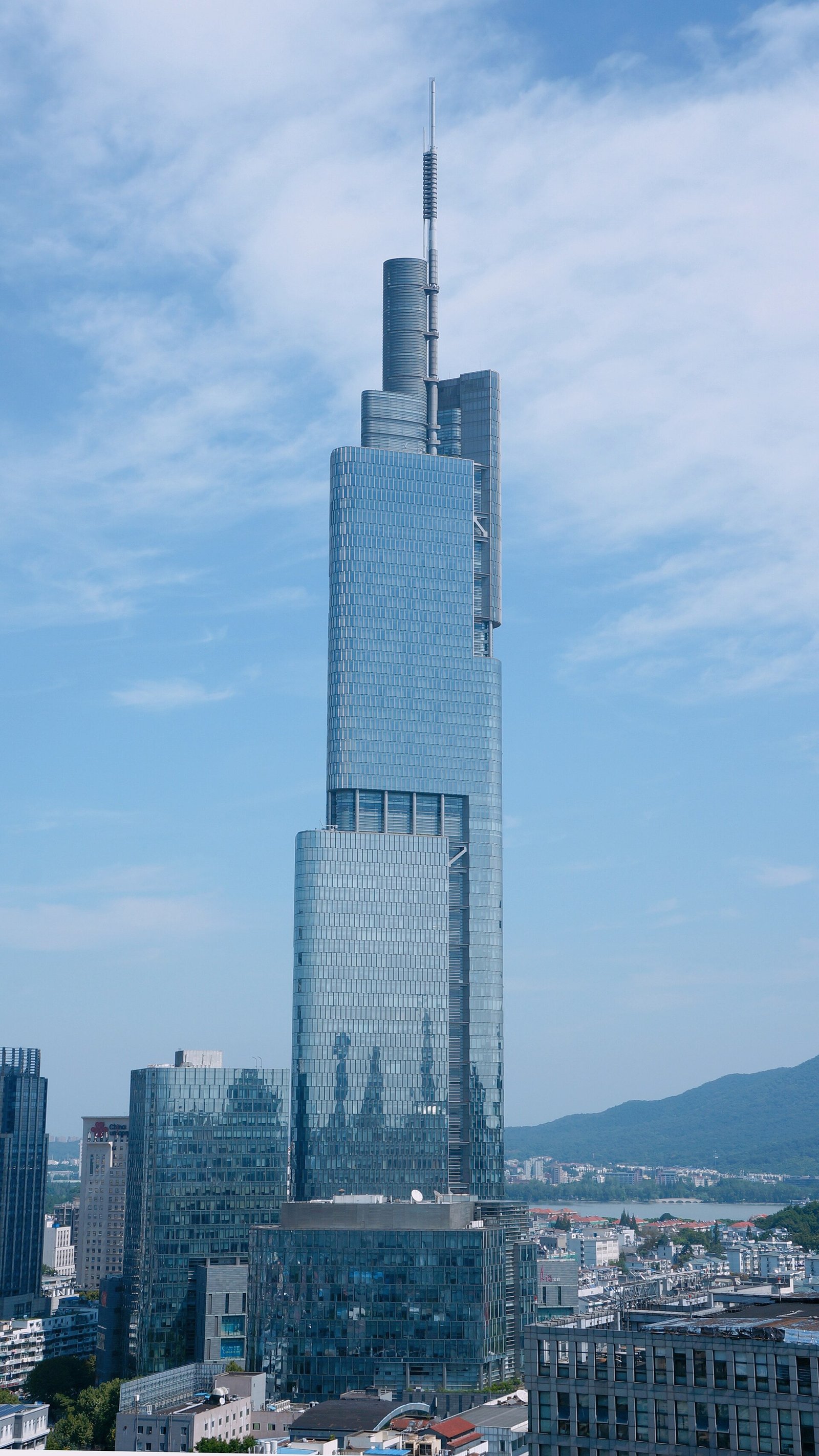
Nanjing is the capital of Jiangsu, beside the Yangtze River. Purple Mountain, the old city, the Qinhuai River, and newer urban districts create several distinct sightseeing areas.
Several capital histories, each with its own weight
The name means “southern capital.” Its history includes a Ming founding-capital role and later republican-era importance. The city also holds sites of wartime loss and remembrance. A thoughtful visit allows those different histories to remain distinct, rather than folding everything into a single nostalgic image.
The Ming Xiaoling and related hill-area visits belong to a different geographical day from a central neighborhood walk. Museums and memorials also ask for different kinds of attention: a difficult historical exhibition should not be rushed because another photo stop is waiting. Check the correct venue and current reservation process. Between major sites, a meal of local specialties and time around ordinary streets brings the contemporary city back into view. Nanjing has several historical identities; let the visits explain their differences rather than blending them into one old capital.
From the Ming landscape to the Qinhuai River
Walk a selected city-wall section, explore Qinhuai’s river setting, or plan Purple Mountain’s memorial and heritage sites as a focused excursion. Museums offer useful context. At the Nanjing Massacre memorial, treat the visit as remembrance rather than an entertainment stop and follow the institution’s guidance.
Allow time for museums and check reservations or closed days before planning around them. Purple Mountain is extensive and can involve considerable walking. Combining a wall walk, a major museum, and multiple mountain sites into one day leaves little room for understanding.
Use geography to separate the history
Plan Ming Xiaoling and the hill-area attractions together rather than repeatedly crossing between them and central streets. Check the specific sites and reservations before setting the route.
Allow a central-city day its own mood
Combine a museum or selected historical visit with the Qinhuai River area and a meal. A memorial dealing with difficult history deserves attention and space afterward, not a hurried slot between entertainment stops.
Duck dishes and a contemporary neighborhood meal
Salted duck, duck-blood vermicelli soup, and small pastries appear in local eating traditions. The city’s duck dishes are not interchangeable with Beijing roast duck; technique and serving style differ. Markets and ordinary neighborhood restaurants show more than the busiest tourist food streets alone.